
"Myanmar coffee history"
200 article(s) found

What is the variety of Yunnan coffee? the taste characteristics of Yunnan small grain coffee iron pickup and Katim flavor.
Professional coffee knowledge exchange more coffee bean information please follow the coffee workshop (Wechat official account cafe_style) Yunnan small grain coffee, Rubiaceae, coffee genus, planting areas are mainly distributed in Lincang, Baoshan, Simao, Xishuangbanna, Dehong and other prefectures. Small grains of coffee are native to Ethiopia or Arabian Peninsula. The main producing area of small-grain coffee is suitable to grow at an altitude of 80.

Yunnan fine coffee beans Yunnan washing treatment Katim small coffee varieties flavor taste characteristics
Katim coffee beans suitable for what kind of roasting degree-roasting diagram introduction produced in Ethiopia's Sidama region, mention yega sherfie, usually described as strong floral, subtle fruit acid, soft bergamot and lemon flavor, smell can indeed smell a little floral and fruity, but taste on the sour side, for those who are not used to it may not be acceptable. But if you like it,

Yunnan coffee bean variety flavor description history, present situation and development prospect
The exchange of professional baristas please follow the coffee workshop (Wechat official account cafe_style) two classic high-quality coffee varieties Typica and Bourbon are the main varieties of coffee in Yunnan. In 1991, the Katimo Catimor series were introduced from Kenya (more resistant to virus and higher yield). Arabian species (

How about Baoshan Xinzhai Coffee? is Xinzhai Farm Coffee expensive? Xinzhai Coffee brewing course
More information about coffee beans Please follow the coffee workshop (Wechat official account cafe_style) Baoshan is a very quiet city. According to Xiaozheng, the residents here like to take a walk after supper, then go home to wash up and go to bed. So in the evening, it was even more quiet. the first night spent in Baoshan was very serene. Thank you, Brother Weng and Xiaozheng, for your arrangement.
How many years does it take for a coffee tree in Yunnan from planting to fruiting? how much can a coffee tree produce in a year?
How many years does it take for a coffee tree from planting to fruiting-the first flowering period of a coffee tree is about three years old, with white five-petal tube-shaped flowers and a faint scent of jasmine. The inflorescences are dense and arranged in clusters. Flowers wither after two or three days of blooming and begin to bear fruit after a few months. The fruit is a drupe, about 1.5% in diameter.

The respective expressions and questions of the introduction years of Zhukula Coffee in Chinese Coffee Culture
1.1 I remember that it was still the spring of 1995, when Professor Mao Genhai of the former South China Hot farming Academy and I went to Xishuangbanna, Yunnan Province. I had the honor to see Huang Junxiong and Zhang Xingcan, Institute of Tropical and Subtropical Coffee, Yunnan Academy of Agricultural Sciences, published a paper on the development of Yunnan coffee in 1994 in the third issue of Tropical crop Science and Technology, from which we got the information about the earliest introduction of Yunnan coffee.

A brief introduction to the History and Culture of the Origin and Development of Simao Fine Coffee beans in Yunnan Province, China
In the upper bag are the freshly picked coffee fruits and the defective fruits selected in the lower bag. Fermented beans need to be washed out of pectin. There are washed coffee beans in the sink. The so-called washed coffee gets its name from this step. Ripe beans have a large proportion and will sink to the bottom of the pool. The photo below is the true appearance of the extremely rare blue mountain coffee in Yunnan. According to Boss Fang

How long can coffee trees bear fruit? where do coffee trees grow? what are the varieties of coffee trees in Yunnan?
Professional baristas Communication Please follow the coffee workshop (official Wechat account cafe_style) Coffee takes about 5 years from seed to blossom and bear fruit. Coffee beans begin to bear fruit 3-5 years after sowing, and 5-20 years is the harvest time. A coffee tree can bear about 3-5 kg of coffee fruit every year. Coffee tree is an evergreen tropical shrub of Rubiaceae, which is as high as 4-7 meters in the wild.

Flavor characteristics of Katim varieties of small Coffee from single producing area in Yunnan Story of Starbucks Yunnan Coffee beans
Professional coffee knowledge exchange more coffee bean information Please follow the coffee workshop (Wechat official account cafe_style) We had the honor to participate in the coffee classroom, our partner unsealed a bag of fresh Yunnan coffee beans at the scene, which really surprised us: unlike other seasonal coffee beans or regular coffee beans that we usually taste, freshly roasted coffee beans are strong after unpacking.

Flavor and taste characteristics of Yunnan small grain coffee variety Katim introduction to the ranking of Yunnan coffee bean producing area
Professional coffee knowledge exchange more coffee bean information please follow the coffee workshop (Wechat official account cafe_style) Yunnan coffee is an Arabica species, commonly known as Yunnan small grain coffee. The excellent geographical and climatic conditions in Yunnan provide good conditions for the growth of coffee. At present, Lincang, Baoshan and Dehong have been formed.

History of spread of Iron pickup Coffee Bean varieties difference in flavor and taste of hand-made flavor of Lanshan coffee varieties treated by washing and sunburn
Of course, if iron pickup coffee is used to make instant coffee or general commercial beans, high-yielding catimor is a good choice, but if you want to look for Yunnan specialtycoffee, then the old variety iron pickup will become the first because of its congenital good genes.
Yunnan small Coffee, known as "fragrant Coffee", introduces the characteristics of Alpine Arabica Coffee producing areas in Yunnan, China
Coffee is a kind of beverage crop with high economic value, which is called the three largest beverages in the world together with cocoa and tea, and its output and consumption ranks first among the three beverages. Coffee is rich in protein, fat, sucrose, starch, glucose, caffeine and other substances, rich aroma and delicious taste. Coffee belongs to the family Rubiaceae.

Introduction of coffee beans and some boutique coffee in the main producing areas of coffee beans in the world (4)
Introduction of coffee beans and some boutique coffee in the main coffee producing areas of the world: Asia and Arabian Peninsula
Planting conditions of coffee trees in Yunnan where can I plant coffee trees in China? is Yunnan coffee good?
The basis of coffee planting technology-where coffee trees can be planted in China, such as sunlight, rainfall, soil, altitude, temperature, as well as the way coffee beans are harvested and the production process, will affect the quality of coffee itself. Under the premise of ensuring a temperature of about 20 degrees, the higher the altitude or the closest to the Tropic of Cancer, the stronger the unique flavor of coffee. Very different kinds of coffee. Coffee trees are mainly
Yunnan coffee main producing area ranking which kind of coffee beans best drink Yunnan small grain is Arabica varieties
Professional coffee knowledge exchange More coffee bean information Please pay attention to coffee workshop (Weixin Official Accounts cafe_style) Qianjie-Yunnan coffee producing area introduction Yunnan currently has 42 counties and cities in coffee cultivation, distributed in 11 states and cities, among which 380,000 farmers are planting coffee. Yunnan has formed eight major

Four novice hand-brewed coffee beans recommend what are the choices of individual coffee beans suitable for making hand-brewed coffee?
Professional coffee knowledge exchange more coffee bean information Please follow the coffee workshop (Wechat official account cafe_style) many beginners will have a doubt when they are beginners: what beans should be chosen to make hand-brewed coffee? Are there any restrictions on the types of coffee beans made by hand? Yes

The past Life and present Life of Baoshan Coffee the Story of the Development of Baoshan Coffee
Professional coffee knowledge exchange more coffee bean information Please pay attention to the coffee workshop (Wechat official account cafe_style) Baoshan, as one of the first areas in Yunnan to grow coffee, has been planting on a large scale since the 1950s and has a history of more than 60 years. According to exact historical records, Baoshan Coffee was first made in 1952 by the tropical and subtropical classics of Yunnan Province in the Gaoligong Mountain Resort.

Introduction to the ranking Variety Information of Yunnan Coffee producing areas the characteristics of flavor and taste of hand-made Yunnan small-grain coffee beans
Professional coffee knowledge exchange more coffee bean information please follow the coffee workshop (Wechat official account cafe_style) and editor to take a look at the four major coffee growing areas in Yunnan! ● Yunnan Coffee planting area Yunnan Province is located on the golden belt between the Tropic of Cancer and the Tropic of Cancer due to its low latitude.
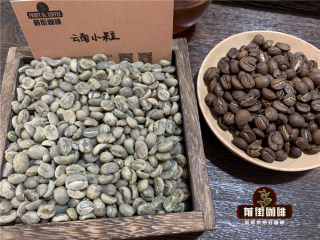
Yunnan coffee cultivation natural conditions Yunnan coffee production area Pu 'er coffee varieties characteristics
Professional coffee knowledge exchange More coffee bean information Please pay attention to coffee workshop (Weixin Official Accounts cafe_style) Qianjie Yunnan coffee production area introduction Yunnan is located in the world coffee planting golden belt, good ecological environment, rich natural resources create Yunnan coffee characteristics. Coffea yunnanensis
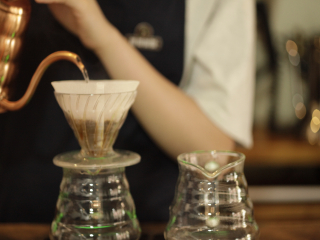
What kind of coffee beans are suitable for hand-brewing coffee? what are the types of hand-brewed coffee beans?
For more information about coffee beans, please visit the coffee workshop (Wechat official account cafe_style) a. Hand-made coffee: usually a single product of coffee beans as the raw material, roasting degree from light roasting, medium roasting to deep roasting are used. It is usually the degree of baking between the number of the figure below, about 9: 13.